Be yourself; Everyone else is already taken.
— Oscar Wilde.
This is the first post on my new blog. I’m just getting this new blog going, so stay tuned for more. Subscribe below to get notified when I post new updates.
Be yourself; Everyone else is already taken.
— Oscar Wilde.
This is the first post on my new blog. I’m just getting this new blog going, so stay tuned for more. Subscribe below to get notified when I post new updates.
—by Wang Qanuan

This is a story about love, desire, and procreation, which is seen by the director as the ultimate meaning of human being’s presence.Sex is illustrated in the film with a lot close-up and soft focus shots, romantic and mysterious, direct and implicit. On the vast Mongolian steppe, all creature are lonely and small, including human, the most original desire of sex becomes mutual comforts. Returning to our raw animal characteristics, there’s the beauty of savage. Beyond love, it’s more about the procreation of human beings as well as the civilisation. The dinosaur egg is a symbol of the great cycles of nature,cycle of life and death.
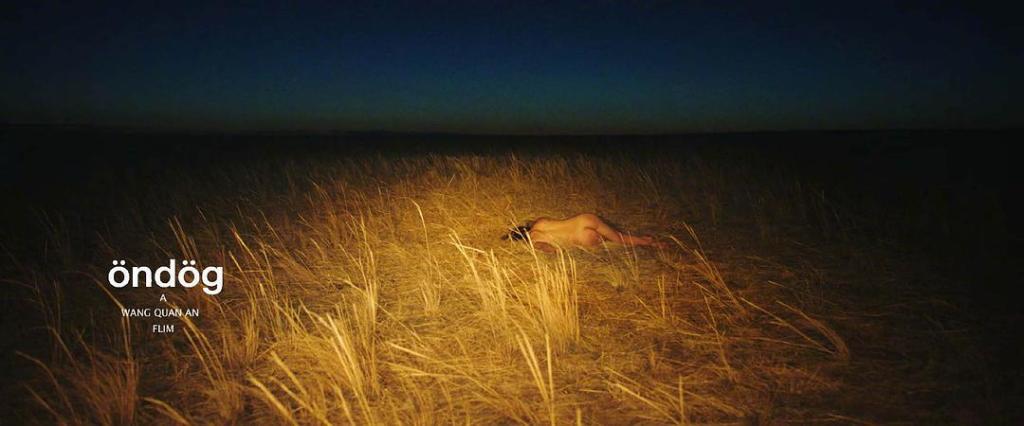
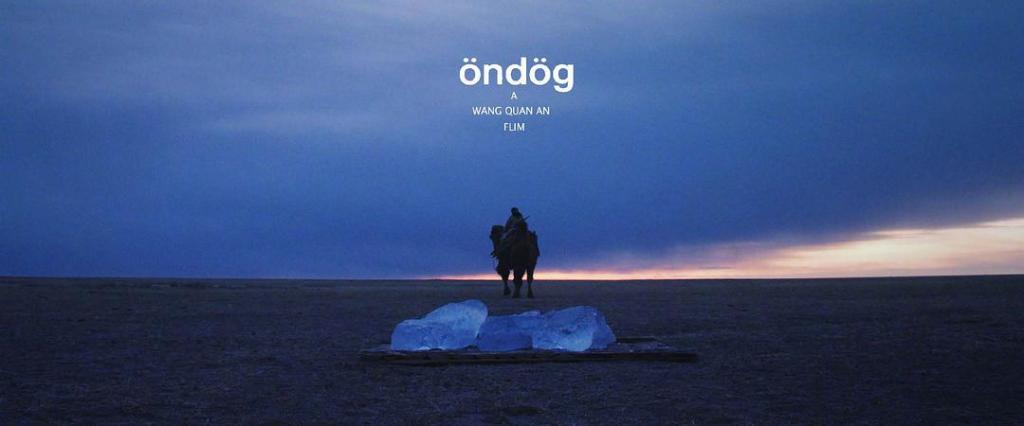
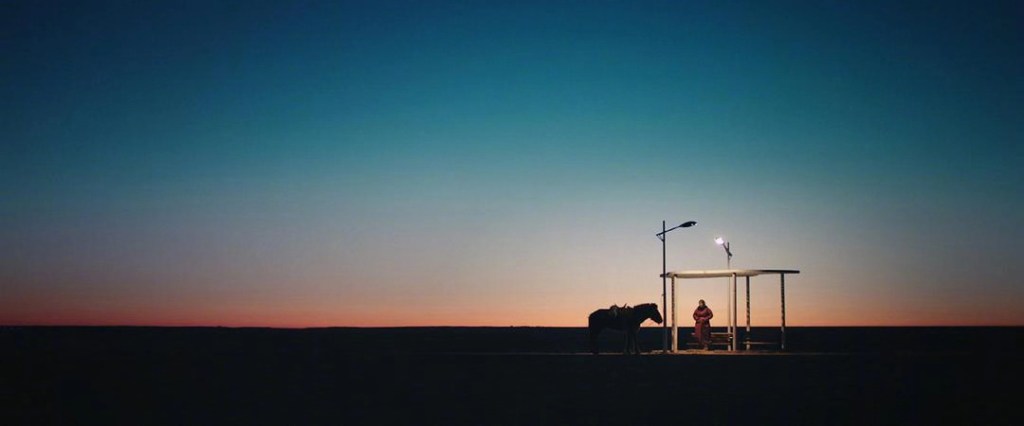
It’s a non-narrative film the trait of documentary films, its pace is quite slow.Also, the absence of background music at most time makes the film more real, intimate and concentrated. The background music played by traditional Mongolian instrument only appears occasionally when mood rendering is needed,the restrained use of background music makes it a highlight in the film. the composition is exquisite,every picture inside can be admired as an individual photography piece.
Long shots are frequently used in the movie, they doesn’t merely depict the fascinating natural landscape on Mongolian plain, they also illustrate the nomadic people’s lifestyle. As an audience,Long shots is quiet and fluent, make me more concentrate on the screen.
In addition, Massive full shots are also present in the film, on the one side, it creates a distant feeling to the audience, since this exotic and original lifestyle is so far away from the modern people ;on the other hand, it shows the great contrast between vast nature and human’s fragility.
The director Wang Quanan always writes his own script, with this film, he doesn’t have a proper script about a rough storyline . He believes good stories are always taken form reality, it;s difficult tp make up one. He prefers to use non-professional actors because they are natural character in their real life. He brings up a question at the beginning of the film. He believes the actors hold the answer in their hands, so they naturally answer his question through the film.
It’s his second time shoot a film in Mongonia, the last one called Tuya’s Marriage, won the Golden Bearat the 2007 Berlin Film Festival. Ondog also premiering in competition at this year’s Berlin Film Festival. He spent 6 years on this movie, he appreciates Mongolian steppe’s vastness and generousness.He sees a lot marvellous story happens o this land, and exlaims the miracle of life that’s often beyond our imagination.
Very fortunately,we had a change to have a small conversation with Wang Quanan after the film playing.
Q1:What so you expect to receive from a movie?What does a movie mean to you?
A:I always post a question at the first place, letting the actors, setting, and all the surroundings answer my question.
Q2:How do you consider the relationship between the audiences and your film?
A:If it’s a non-commercial film like this one, I wouldn’t consider too much about the audiences’ reaction or opinions, it will be my art work and I focus on my own expression.

At the end he mentioned he is now working on another moire,he and his photographer with no more experiment of the using of light, and probably try to make a film by a cellphone.I really like his attitude toward movie, with experiential methods and bringing up philosophical question, making a movie ia not only for a result, the more important thing is all the precious answers he got from the process. The same with my own attitude of creating art, result is definitely vital, but more essentially is the growth and reflection I have from the making process.
This is an example post, originally published as part of Blogging University. Enroll in one of our ten programs, and start your blog right.
You’re going to publish a post today. Don’t worry about how your blog looks. Don’t worry if you haven’t given it a name yet, or you’re feeling overwhelmed. Just click the “New Post” button, and tell us why you’re here.
Why do this?
The post can be short or long, a personal intro to your life or a bloggy mission statement, a manifesto for the future or a simple outline of your the types of things you hope to publish.
To help you get started, here are a few questions:
You’re not locked into any of this; one of the wonderful things about blogs is how they constantly evolve as we learn, grow, and interact with one another — but it’s good to know where and why you started, and articulating your goals may just give you a few other post ideas.
Can’t think how to get started? Just write the first thing that pops into your head. Anne Lamott, author of a book on writing we love, says that you need to give yourself permission to write a “crappy first draft”. Anne makes a great point — just start writing, and worry about editing it later.
When you’re ready to publish, give your post three to five tags that describe your blog’s focus — writing, photography, fiction, parenting, food, cars, movies, sports, whatever. These tags will help others who care about your topics find you in the Reader. Make sure one of the tags is “zerotohero,” so other new bloggers can find you, too.

 the
the